Quick answer
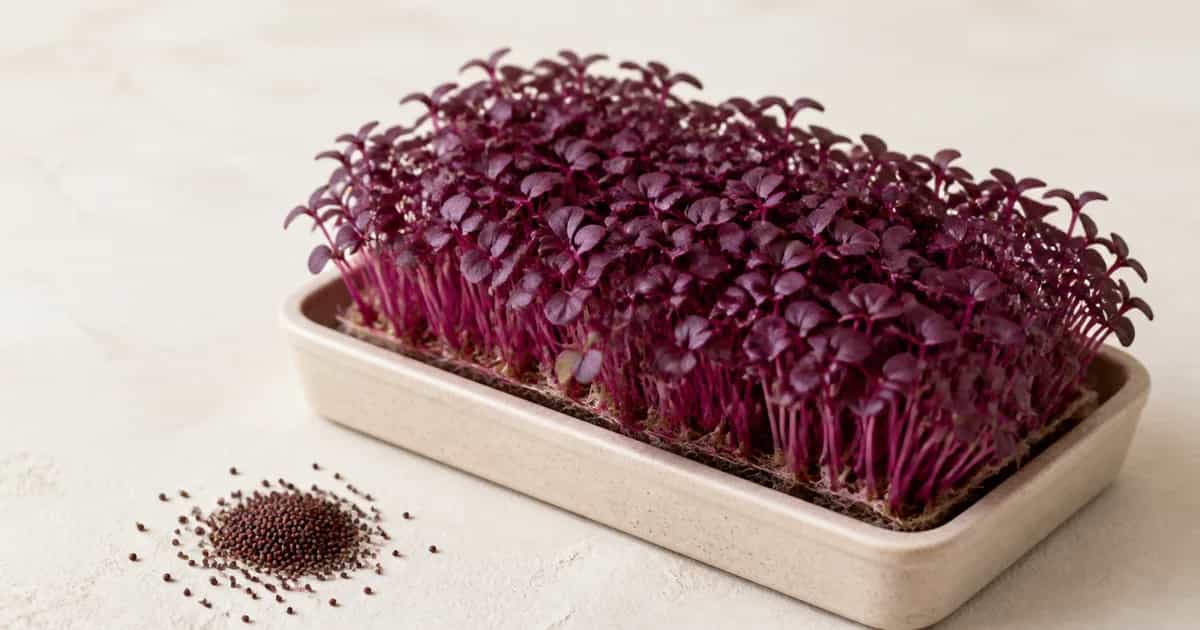
Amaranth microgreens are edible young shoots, often selected for their intense red or magenta color. Research has included amaranth cultivars in vitamin, pigment, basic composition, and antioxidant analyses. The results support calling them a nutrient-containing colorful food, but not assigning every amaranth tray the same calories, protein, or vitamin values.
What researchers measured
The widely cited 25-variety study included several colorful microgreens and measured vitamin C, carotenoids, phylloquinone, and tocopherols. Other experiments comparing sprouts and microgreens measured basic composition, sugars, organic acids, and vitamin C, including amaranth among the tested microgreens.
Studies of soilless-grown crops also show why medium and plant family matter. A value from red amaranth under one system should not be presented as a fixed value for every green, red, or hybrid cultivar.
Open the 100 g nutrition evidence guide for a source-by-source summary.
Does deeper color mean more nutrition?
Color can signal the presence of plant pigments, but “darker equals healthier” is too simple. Pigment concentration, vitamin content, minerals, flavor, yield, and shelf life are separate characteristics. A visually intense crop may be appealing without being superior in every nutrient.
The better question is whether the source measured the compound in the same cultivar and harvest stage you are discussing. Our best microgreens for health guide uses this evidence-first comparison.
How to read an amaranth nutrition table
Check whether:
- the crop is amaranth microgreens rather than dry amaranth grain;
- the cultivar or color form is named;
- results use fresh weight or dry weight;
- stems and leaves were analyzed together;
- units are mg, µg, or g per stated sample;
- the table reports a mean and variation, not a single unexplained number.
Dry grain and fresh microgreens are different foods. Their values should never be substituted for one another.
Taste and meal use
Amaranth microgreens are delicate, mild, and visually striking. Use them as a finishing ingredient on salads, avocado toast, cold soups, canapés, and grain bowls. Add them after cooking to preserve their shape and color.
For balanced ideas, see how to use microgreens in meals, the taste pairing guide, and microgreen meal ideas.
Growing notes
Amaranth seed is tiny, so even distribution matters more than soaking. Use a fine, level surface; mist gently during establishment; provide light after germination; and avoid dense, wet pockets that reduce airflow. The amaranth variety profile, container guide, and mold prevention guide help plan the crop.
Bottom line
Amaranth microgreens combine color, delicate texture, and measured nutrients. Use cultivar-specific study results when available and resist converting attractive pigment or laboratory antioxidant findings into an all-purpose medical claim.