Quick answer
Microgreens can contain vitamin K1, also called phylloquinone, but the amount varies widely by species, cultivar, light, harvest stage, and analytical method. There is no one vitamin K value for every microgreen mix.
People taking warfarin or another vitamin K–sensitive anticoagulant should not make abrupt dietary changes based on a generic chart. Follow the clinician’s advice about consistent intake and use verified product information where possible.
What the landmark study measured
The USDA-led 25-variety study measured phylloquinone alongside vitamin C, tocopherols, and carotenoids in commercial microgreens. The important conclusion for consumers is variability. A value for one red cabbage, garnet amaranth, or basil sample does not become the value for “microgreens.”
It also was not a complete calorie, protein, fiber, and mineral label. See the nutrition facts per 100 g guide for its exact scope.
Why vitamin K values differ
Vitamin K1 is associated with photosynthetic green tissue, yet leaf color alone cannot quantify it. Differences can come from:
- plant species and cultivar;
- cotyledon versus true-leaf proportion;
- light intensity and duration;
- harvest age;
- water content;
- sample storage and laboratory method.
Always keep the unit visible. Micrograms per 100 g fresh weight are not the same as micrograms per gram dry weight.
Medication and consistency
Vitamin K participates in normal blood clotting. With some anticoagulant therapies, sudden changes in vitamin K intake can affect treatment management. The practical goal is usually consistency, not avoiding every green food, but individual advice belongs to the prescribing clinician.
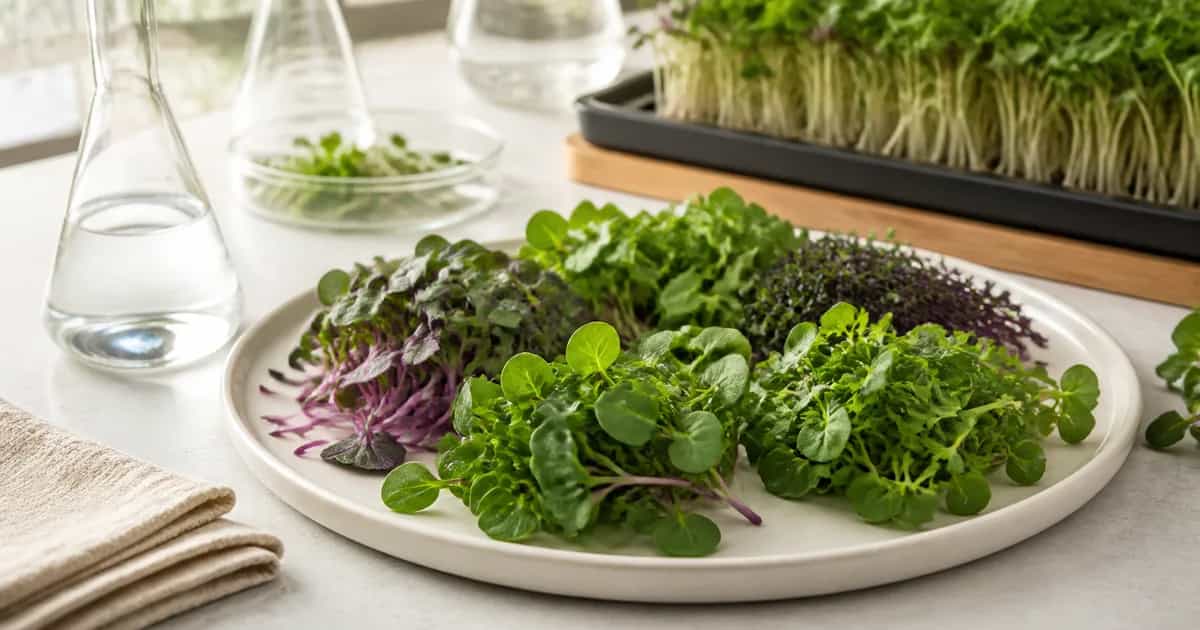
Do not use a mixed-tray photograph to estimate a dose. Record the exact product, portion, and frequency, and bring that information to your healthcare professional.
Food choices
Microgreens can add variety, but they need not be treated as a vitamin supplement. Rotate crops, use realistic portions, and build meals with vegetables, legumes, whole grains, protein foods, and healthy fats.
Read the vitamin and mineral guide, serving-size guide, kale nutrition guide, broccoli nutrition guide, and recipe collection.
Bottom line
Vitamin K1 is a measured component of some microgreens, not a universal fixed number. Crop-specific evidence and consistent dietary habits matter, especially when medication is involved.
Frequently asked question: does cooking remove vitamin K?
Do not assume a quick rinse, blending, or ordinary cooking makes vitamin K irrelevant. Preparation can change foods in several ways, but medication management should use verified intake information and clinical guidance rather than a home-processing guess.