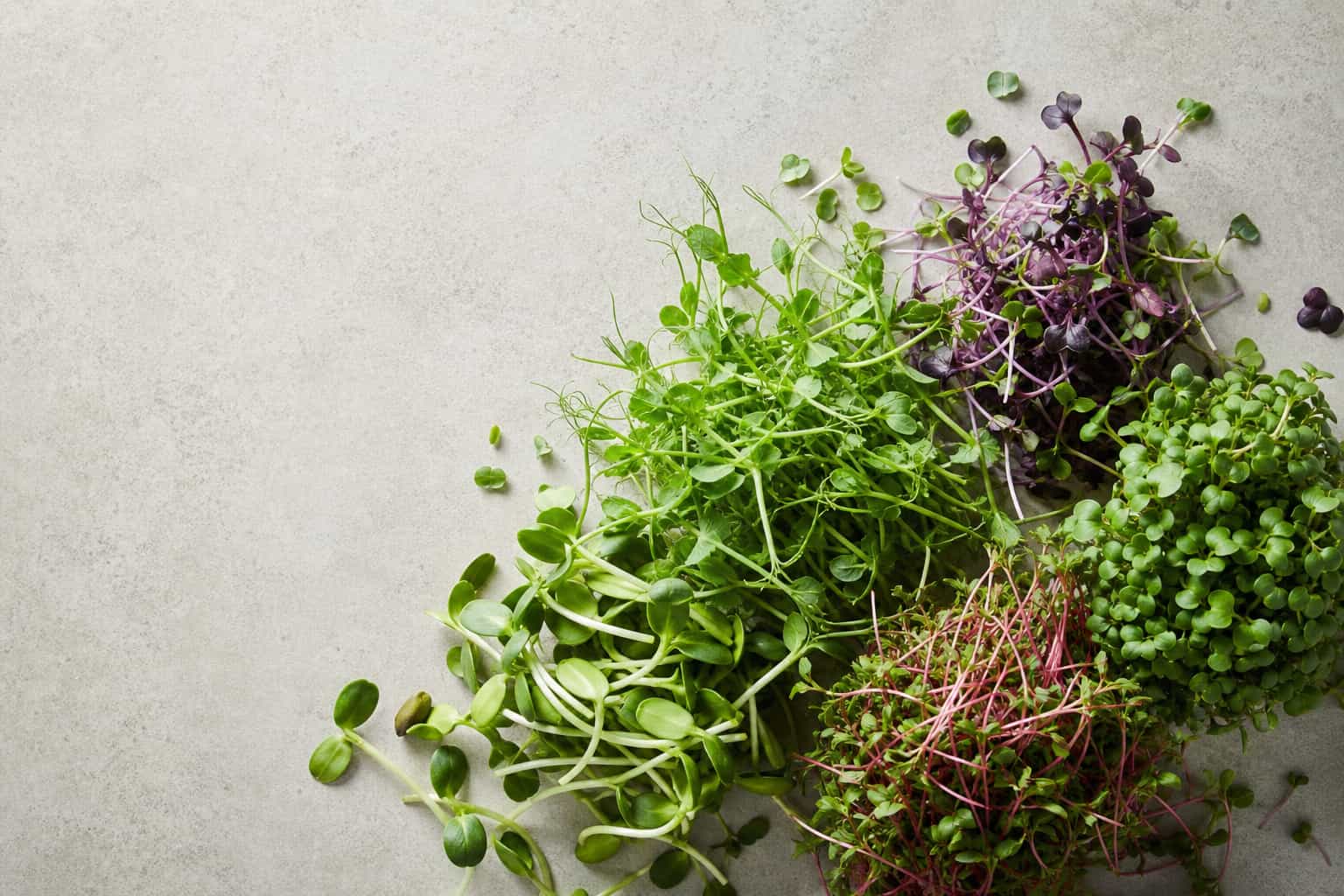
Microgreens Trends in 2026: 7 Shifts in Growing and Consumption
Microgreens are no longer limited to decorative garnishes on restaurant plates. Global interest is increasingly connected to controlled-environment agriculture, shorter supply chains, food diversity, and reliable production practices. These shifts matter to both home growers and commercial farms.
The main microgreens trends
Vertical racks, LED lighting, sensors, and batch records can make production more consistent. Weekly subscription boxes, local restaurant supply, and home growing kits are also creating new ways to sell and consume microgreens. However, automation does not automatically mean low cost or low impact. Electricity, cooling, labor, packaging, and crop loss still need to be measured.
Why transparency matters
Customers want to know where the seed came from, how water was used, when the crop was harvested, and how the packaging should be handled. Traceability is therefore more than a compliance task: it supports trust, useful content, and sustainable SEO.
A practical roadmap
Start with a small pilot: one variety, one lighting setup, and one sales channel. Track germination, yield, energy, waste, and customer feedback before scaling. Microgreens can add variety to a balanced diet, but claims that present them as a miracle food or treatment are not responsible.
FAQ: What is the biggest microgreens trend in 2026? Answer: It is not one device; it is the combination of safe production, measurable sustainability, and verified local demand.