Are Microgreens Functional Foods? How to Read Nutrition and Health Claims
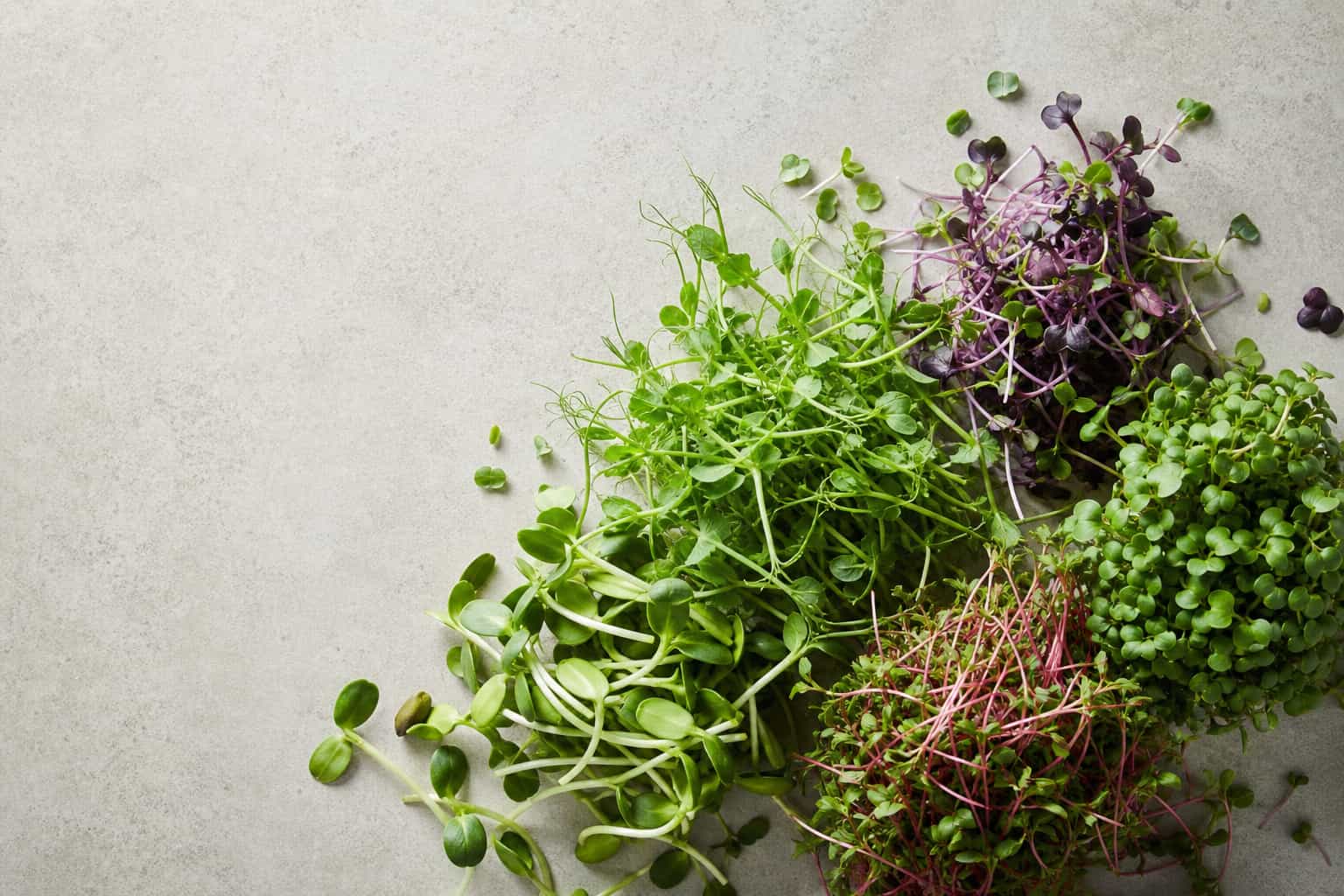
Microgreens are edible seedlings harvested at an early stage. Depending on the variety, they may contain vitamins, minerals, carotenoids, phenolic compounds, or glucosinolates. This makes them interesting for functional-food research, but it does not support the claim that a handful of microgreens prevents disease.
Why nutrient content varies
Species, cultivar, seed quality, light, growing medium, temperature, and harvest stage can all affect the nutrient profile. A value measured in one study does not guarantee the same result in every home or commercial system. Responsible content should explain the source and limits of the evidence.
Their place in a balanced diet
Use microgreens to add variety to salads, sandwiches, soups, or main meals. Do not treat them as a replacement for a balanced diet or medical care. People with specific health conditions, medication use, or immune concerns should consult a qualified professional.
FAQ: Are microgreens a superfood? Answer: They may contribute to dietary variety, but the term should not be used to promise a specific health outcome.